OpenAI just broke physics...
OpenAI says its AI has disproved the Exponential Time Hypothesis, challenging a barrier that shaped decades of computer science. Could there be shortcuts through problems we thought were impossibly hard? We unpack the connection to P versus NP, what a practical breakthrough…
AI Summary & Key Takeaways
- OpenAI says its AI has disproved the Exponential Time Hypothesis, challenging a barrier that shaped decades of computer science
- Could there be shortcuts through problems we thought were impossibly hard
- We unpack the connection to P versus NP, what a practical breakthrough…
Related stories
Lead Developers of Claude Code Leave Anthropic
✔️ Lead Developers of Claude Code Leave Anthropic On October 24, Tariq Shikhipar, one of the project's most public engineers, formerly a researcher at MIT Media Lab and Y Combinator alum, announced his departure, followed by Anthony Morris, author of the desktop version of the agent. Shikhipar…
AI News Digest for October 27, 2026
Today in the world of artificial intelligence shows how technologies are integrating ever deeper into various industries and regions. Nvidia supports Indian startup Simplismart, ensuring eth...
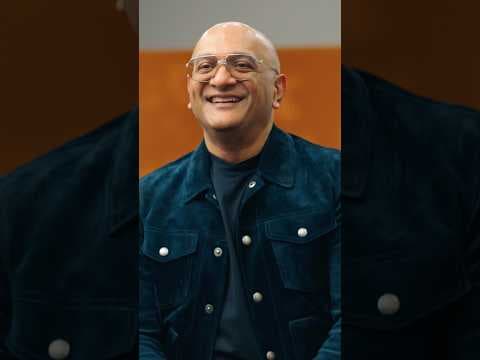
Why Cybersecurity Needs AI | Cisco’s Jeetu Patel
“It is a prerequisite for staying safe that you must use AI.” Attackers can move at machine speed. Defenders need security controls that can adapt just as quickly. Jeetu Patel, President of Cisco, explains why OpenAI is becoming a core foundation for that work. With capabilities…
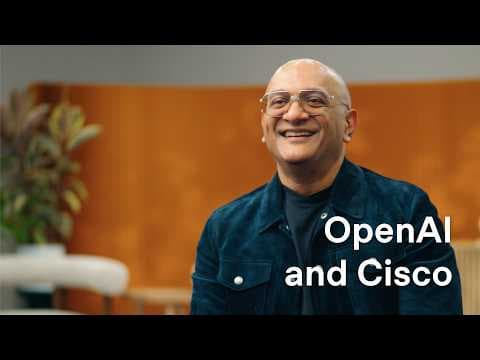
Why Cybersecurity Needs AI | Cisco’s Jeetu Patel
“It is a prerequisite for staying safe that you must use AI.” Attackers can move at machine speed. Defenders need security controls that can adapt just as quickly. Jeetu Patel, President of Cisco, explains why OpenAI is becoming a core foundation for that work. With capabilities…