Google Beam expands with new regions, partners, and customers
<img src="https://storage.googleapis.com/gweb-uniblog-publish-prod/images/Google_Beam_hero.max-600x600.format-webp.webp">We’re expanding Google Beam to five new countries, and partnering with Industrious for an extended network.
23 September 2026 · Source: Google AI Blog
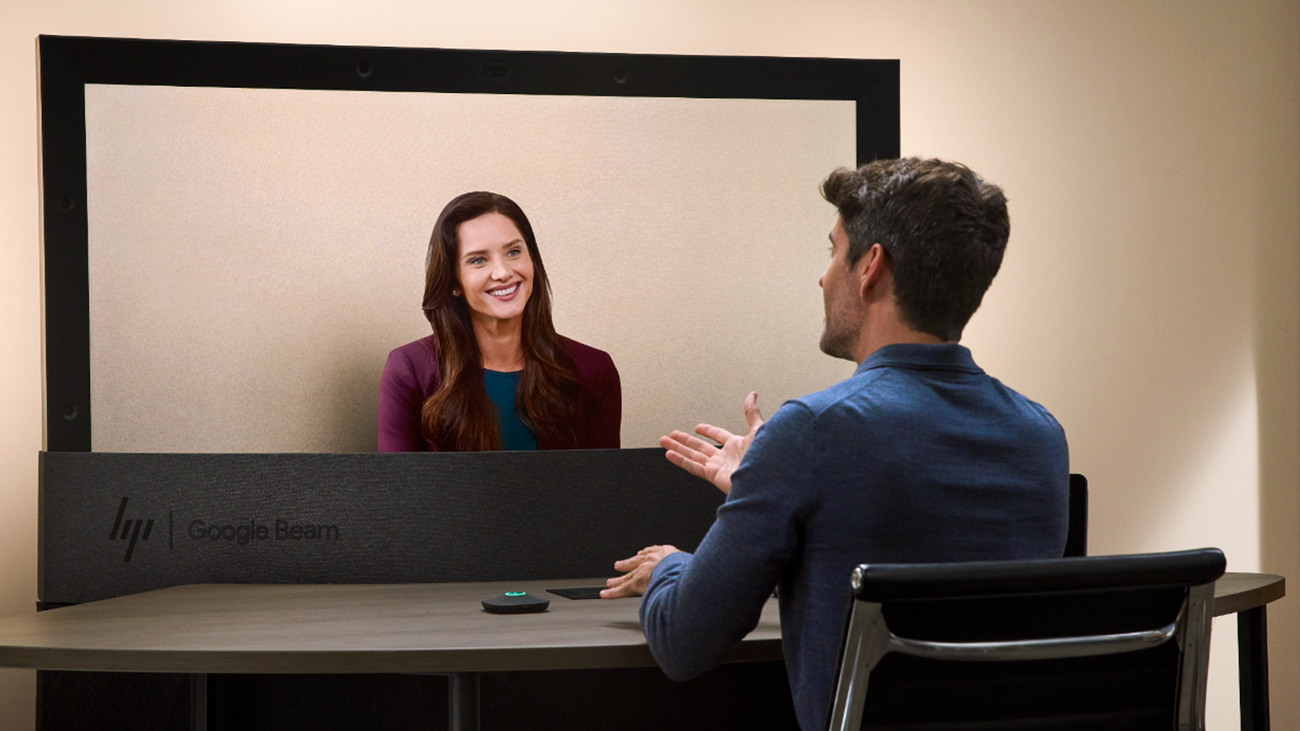
We’re expanding Google Beam to five new countries, partnering with Industrious for an extended network, and proving our impact at Google and beyond. Director, Business Development, Google Beam Your browser does not support the audio element. This content is generated by Google AI. Generative AI is experimental Since its early days, Google Beam has been driven by a singular vision: bringing people together so they can experience genuine, face-to-face connection, no matter the distance. We’ve tested Beam with early users, including in our own offices, and shown how it can help transform everyday meetings into authentic moments of connection. Today, we’re announcing a major expansion of our global footprint, new data on our proven impact, and the launch of our first-ever extended network. We are officially expanding our global reach, with Google Beam units shipping to customers across six countries, including the U.S., Canada, U.K., France, Germany, and Japan. Backing this rollout is a robust, global ecosystem of 18 channel partners who are fully equipped to deploy and support Beam. Delivered by our flagship hardware partner as HP Dimension with Google Beam, this experience is built for modern enterprise collaboration. By integrating seamlessly with both Google Meet and Zoom, Beam can provide the flexibility organizations need while helping to elevate everyday conversations. Through extensive internal testing at Google, we’ve learned how transformative Beam can be for areas like recruiting, talent development, and cross-functional collaboration. In a recent eight-week internal study, Google teams using Beam felt 50% more connected to one another, found it 33% easier to ensure their feedback was clearly understood, and saw a 21% drop in the need for follow-up meetings. All of this has reinforced our own belief in expanding our own deployment of Beam for Googlers, alongside our customers. We are also working closely with leaned-in partners to prove out these exact use cases in the field. Earlier this year, we partnered with Bain and Company to test how HP Dimension with Google Beam could help transform their campus recruiting and candidate interviews. By using this technology, Bain was able to create authentic, face-to-face connections with candidates from anywhere—without the need for extensive travel. Watch how Bain is transforming their interview process here. We are thrilled to see this excitement mirrored by other first customers like Netflix, Capital Group, and many more who are eager to transform how they connect their global workforces. To help make Beam accessible to organizations of all sizes, we are partnering with Industrious, a global operator of premium flexible workspaces worldwide. Together, we are creating the first-ever Beam extended network. We conducted a pilot earlier this year, in which we heard firsthand how distributed teams are connecting for manager check-ins, interviews, and client consultations. Now, this network will increase access to Google Beam, opening the doors for more startups and businesses of all sizes to better connect and make their meetings feel much more natural. Starting in October, you can book and experience HP Dimension with Google Beam directly at select Industrious locations across the U.S., including Atlanta, Chicago, New York City and Palo Alto. Learn more here. The way we work is evolving, but the need for genuine human connection remains constant. Discover how organizations worldwide are transforming their meetings and explore more real-world use cases at beam.google. Sign up for our newsletters with product updates, event information, special offers, and more. Your information will be used in accordance with Google's privacy policy. You may opt out at any time.