Introducing Playground: Create and play custom games
<img src="https://storage.googleapis.com/gweb-uniblog-publish-prod/images/THUMBNAIL_BLOG.max-600x600.format-webp.webp">Playground is a new experimental gaming platform that lets you create, play, and share custom games.
7 October 2026 · Source: Google AI Blog
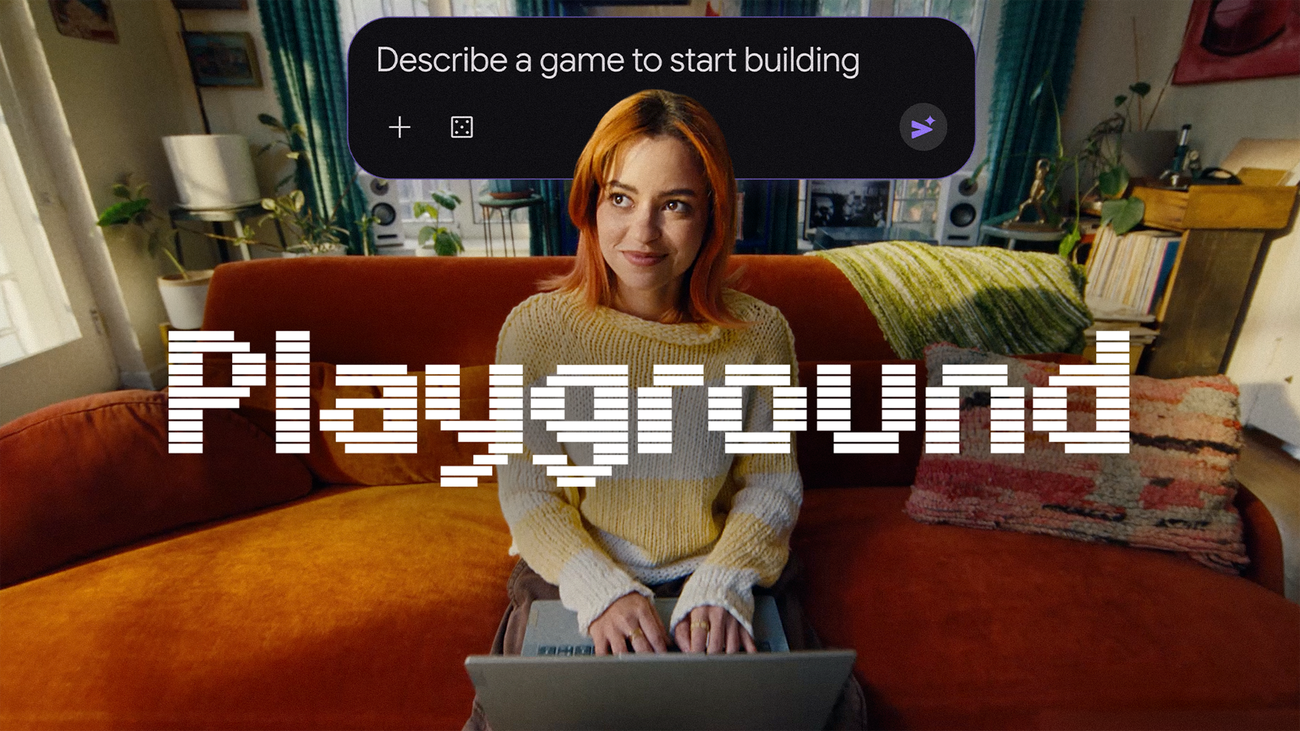
If you can think it, you can play it. Create, play, and share custom games — no coding required. Software Engineer, AI Innovation + Research Your browser does not support the audio element. This content is generated by Google AI. Generative AI is experimental Games are one of the most creative forms of expression, and the gaming community keeps growing. But game creation has historically been limited to a select group of people who have technical experience and knowledge of complex game engines. Today, we’re introducing Playground, an experimental gaming platform that lets you create, play, and share custom games. Playground lowers the barriers to creation, so bringing game ideas to life can now be as easy as describing it through a few prompts — no coding experience required. With Playground’s conversational interface, you can direct the game just by typing what you want to build. Start from a blank canvas, remix starter prompts, or use guided support to shape your concept — and then test it right away. Want to tweak the physics, rewrite the rules, customize the characters, or overhaul the environment? Just ask. You stay in complete control of the creative direction from rough concept to final product. Create games in Playground using text prompts The fun doesn’t stop at creation. Playground is home to an ever-growing catalog of community games. And because it’s browser-based, you can play these games on your phone or laptop. Once your game is ready, you can keep your game private, drop a shareable link to challenge friends and family, or publish it to the Playground Explore gallery for the broader Playground community. To have fun with your friends, Playground games support in-game leaderboards and multiplayer gameplay in select genres. With a Play Games profile, you can claim a custom handle, like your favorite games, battle for the top spot, and follow creators to catch their latest releases. Our gallery uses player ratings and play activity to spotlight games that are fresh, creative, and fun. To keep the experience safe and welcoming, every published game undergoes safety screenings aligned with our Community Guidelines, along with user reporting. Explore the Playground gallery For dedicated creators ready to expand their concepts, Playground will soon offer an integration with Unity Spark. Unity Spark unlocks robust, professional-level mechanics, high-fidelity 3D capabilities, and the flexibility of the Unity runtime. The accessibility of Playground and the world-class, game-building expertise of Unity provides the building blocks for an ecosystem where you can start with a simple text prompt and eventually grow into building immersive experiences with Unity. And these games will be available for everyone using Playground to enjoy. Unity Spark is currently in testing, with closed beta coming soon. Check out the demo games on playground.google, and learn more at unity.com/spark. Playground is an early experiment designed to make game creation more approachable and ignite everyday creativity. Playground will continue to evolve alongside our community, and we invite you to share your games and your feedback. Playground launches today for users in the U.S. (18+) at playground.google, with tiered creation access rolling out based on your Google AI subscription. Sign up for our newsletters with product updates, event information, special offers, and more. Your information will be used in accordance with Google's privacy policy. You may opt out at any time.