Making global data easier to explore
<img src="https://storage.googleapis.com/gweb-uniblog-publish-prod/images/data-commons.max-600x600.format-webp.webp">Google and the UN system have launched the UN System Data Commons, a new open platform making global statistics accessible and easy to search.
18 September 2026 · Source: Google AI Blog
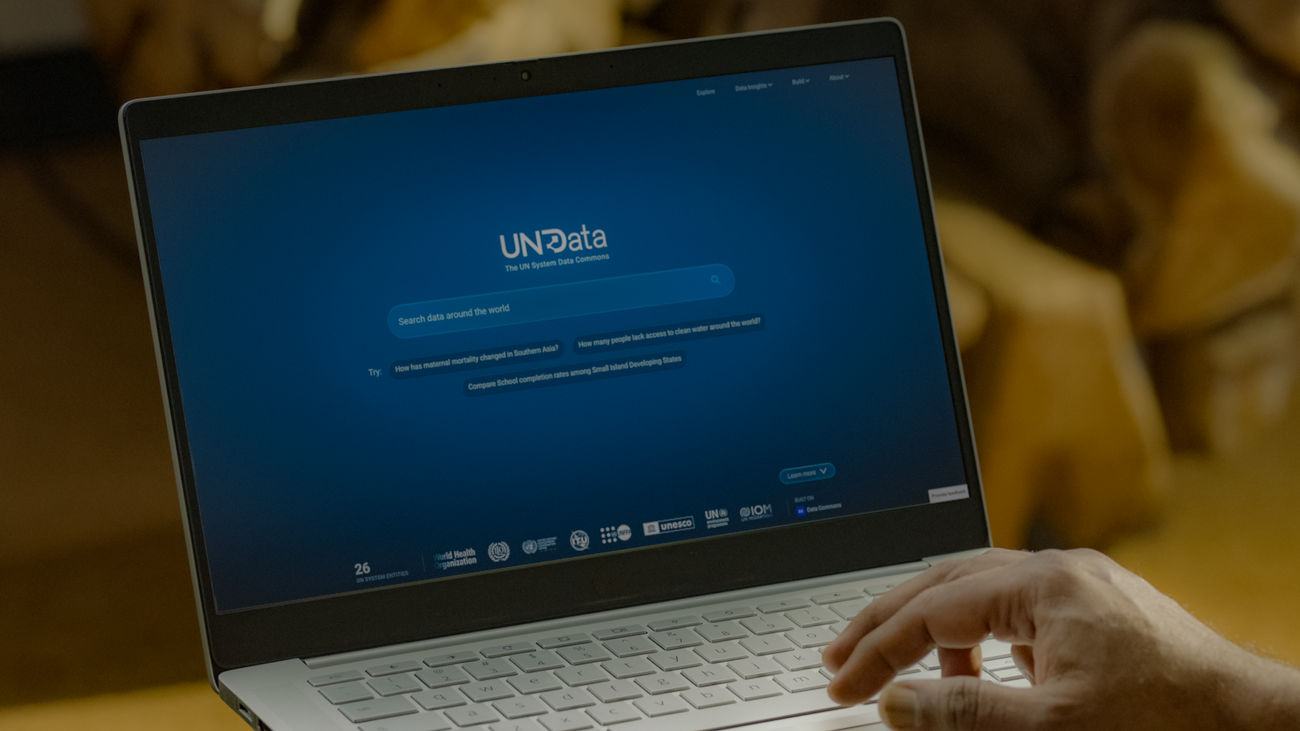
UN System Data Commons is an open, AI-ready platform integrating critical global statistics into a single searchable resource. Your browser does not support the audio element. This content is generated by Google AI. Generative AI is experimental Every year, entities across the United Nations system compile data to track challenges that affect how we work, learn, stay healthy, and care for our loved ones. These agencies work with some of the highest-integrity data in the world. But the statistics needed to solve big global challenges have lived in separate silos, organized in conflicting formats across, and within, different UN system organizations. Connecting the dots often meant months of painstaking manual work for data analysts before any real analysis could begin. To solve this challenge, the UN system is launching the UN System Data Commons—an open-source platform built on Data Commons by Google that unites global statistics into one interconnected resource known as an AI-ready knowledge graph. With support from Google.org to the UN Foundation, the project makes critical data universally accessible, helping everyone from researchers to leaders track global progress in real time. Many of society’s greatest challenges — from public health to poverty eradication — cannot be solved with a single data source. Effectively tackling these crises requires understanding how different datasets intersect. The UN System Data Commons helps uncover these intersections by unifying siloed datasets, so that they can speak the same language. The platform automatically integrates metrics, timelines, and geographic boundaries into a single interconnected environment. This gives analysts more time to focus on uncovering key trends and designing evidence-based solutions, instead of formatting spreadsheets. The UN System Data Commons uses AI to democratize access to these insights, letting people explore through intuitive, natural-language search. This means anyone, from a nonprofit program manager to a journalist to an international policy analyst, can ask questions in plain language and instantly receive relevant data and interactive visualizations. Users can query the platform directly with questions such as: How does access to clean water in rural areas affect school attendance? How many people gained access to electricity in the last decade? How has life expectancy changed across different regions of the world? If you prefer to browse, the Explore tab makes it easy to filter data by location or themes like health or education. The Blog section also breaks down complex trends into ready-to-read reports, like using UNICEF data to explore what works to reduce child poverty. Most importantly, every dataset is validated with UN system statisticians and technical experts, so every answer stays grounded in trusted, official facts. Today’s launch also brings AI assistant capabilities directly to the research workflow. Instead of spending hours manually searching for numbers and assembling spreadsheets, you can prompt an AI assistant to do the heavy lifting. Built on open standards like the Model Context Protocol (MCP), Data Commons makes data AI ready enabling AI agents to autonomously fetch authoritative figures directly from the UN System Data Commons, connect the dots across different domains, and package everything together into ready-to-use charts, graphs, infographics, or written draft reports. Even with grounded, verified data, review the underlying sources before citing critical figures. Over the coming year, the UN system will continue adding datasets from more UN entities, with a goal of including 80% of UN system statistical datasets by 2027. Explore the data yourself at data.un.org. Sign up for our newsletters with product updates, event information, special offers, and more. Your information will be used in accordance with Google's privacy policy. You may opt out at any time.